Biobased Acoustic Materials from Organic Residues




Request Information
Please sign in first or register for free to contact Impact Acoustic.
- story by MaterialDistrict
A series of acoustic tile developments explore the use of plant fibres and organic by-products as primary material components. The tiles are designed for interior applications and combine renewable fibres, residual biomass and mineral additives within composite systems intended to provide sound absorption and structural stability.
Cotton and Marine Macroalgae
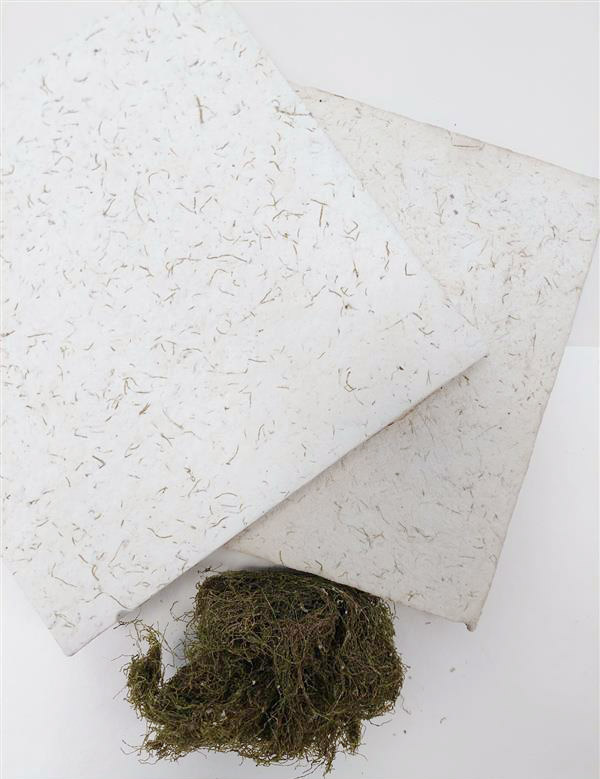
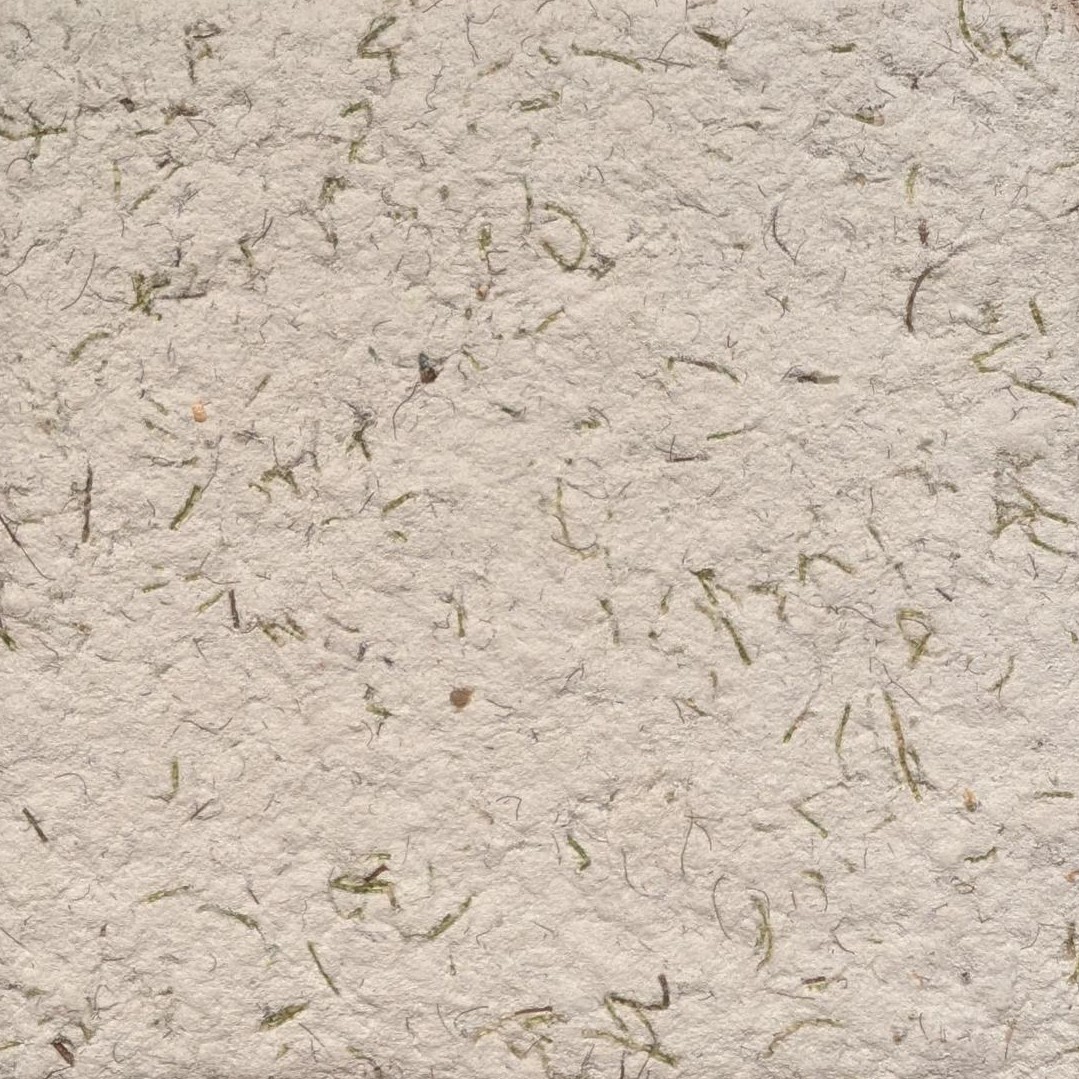
One material formulation combines cotton fibres with Chaetomorpha linum, a marine macroalga present in the Orbetello Lagoon in Southern Tuscany, Italy. The algae are harvested and processed before being integrated into the composite.
Cotton fibres function as the primary structural and acoustic component. The addition of seaweed influences the surface texture and visual appearance of the finished tile. The resulting product is intended for use in interior environments requiring acoustic regulation, such as offices, hospitality spaces and residential buildings.
Coffee Grounds
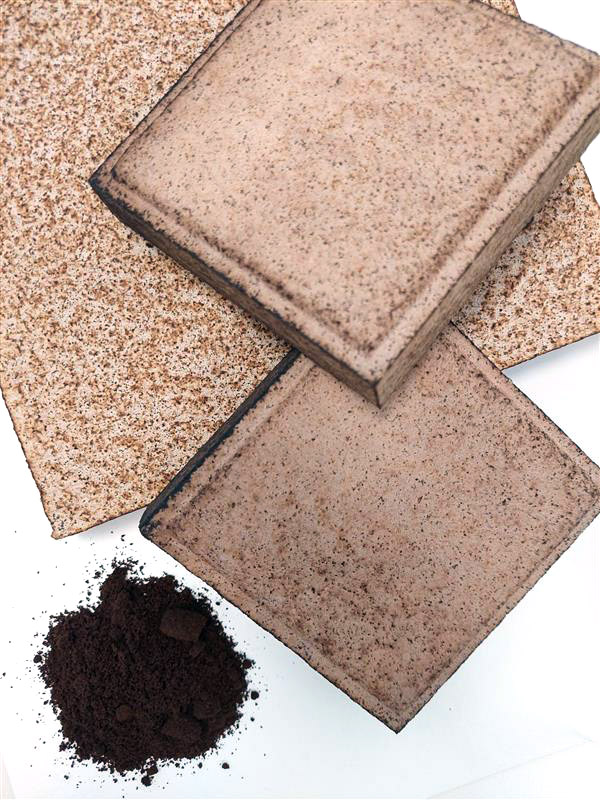
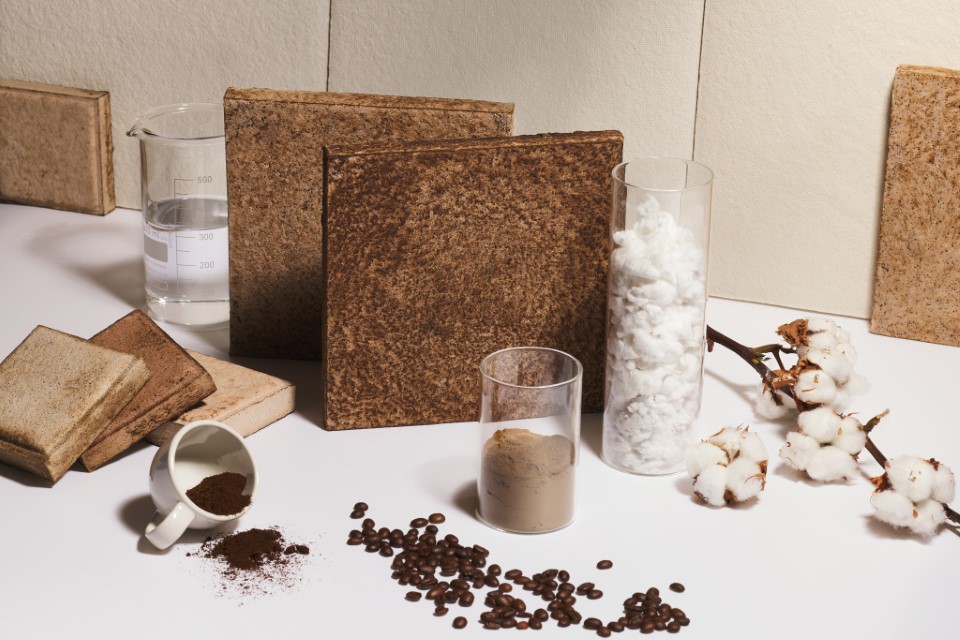
Another material variant incorporates used coffee grounds into a cotton cellulose matrix. Spent coffee grounds are collected from industrial sources and processed prior to integration.
Within the composite, cellulose fibres provide cohesion and sound absorption, while the coffee particles act as a filler material and affect surface character and colour variation. The tiles are manufactured for interior acoustic applications.
Coconut Fibres
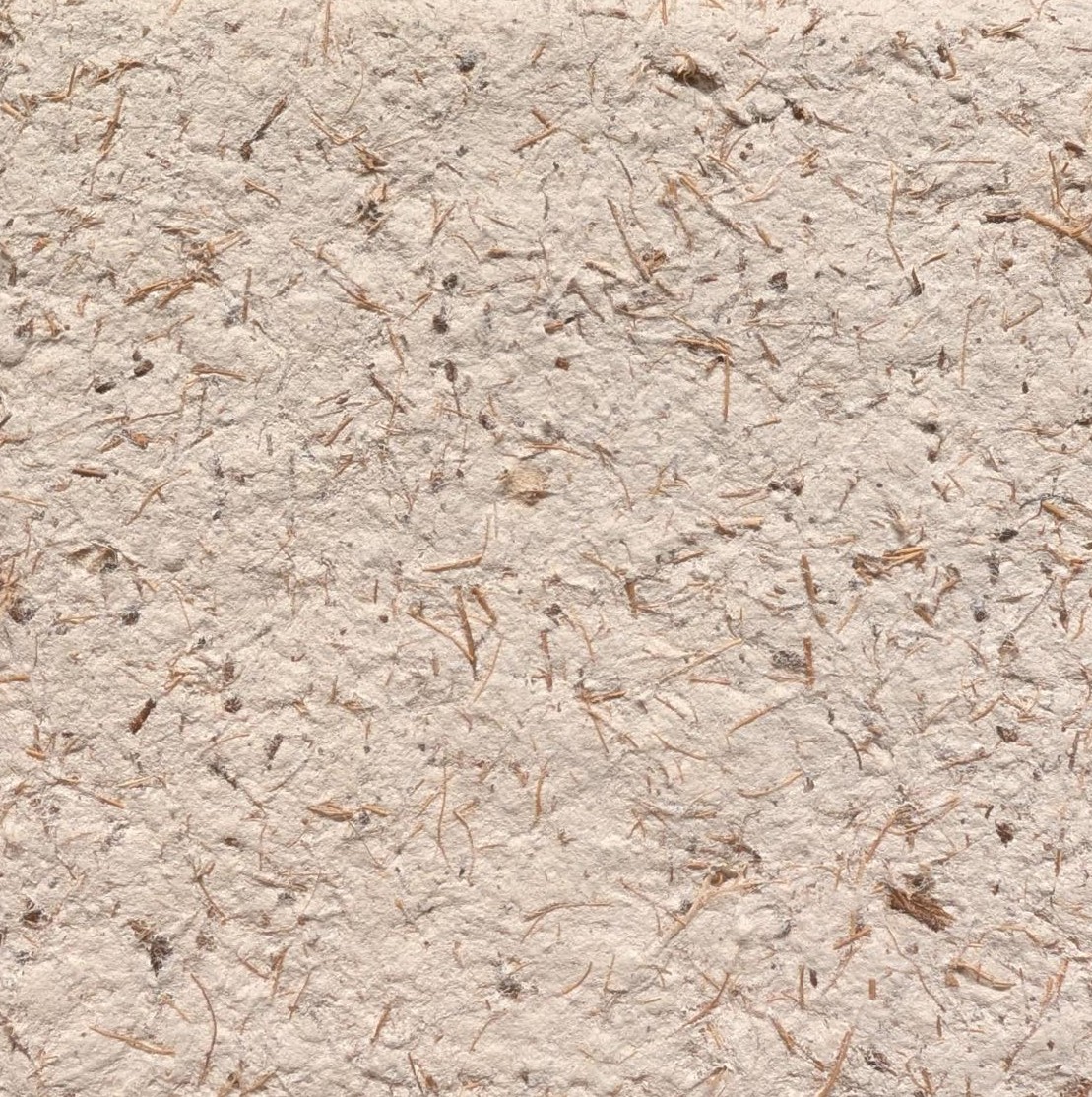
A further formulation consists of cotton linters and coconut fibres, combined with mineral additives such as white clay, pigments and fire-retardant salts. Coconut fibres are derived from coconut husks, a by-product of food and oil production.
The fibres contribute tensile properties and structural reinforcement. Mineral components support dimensional stability, fire performance and colour consistency. The tiles are produced for indoor use in spaces where acoustic control is required.
Jute Fibres
Acoustic panels based on jute fibres use a similar composite approach. Jute, a plant-derived fibre, is combined with mineral binders to form rigid elements. The fibre component provides reinforcement and contributes to sound absorption characteristics, while the mineral fraction ensures structural integrity and compliance with fire requirements.
Grape Pomace
Another variant incorporates grape pomace, a by-product of wine production consisting of skins, seeds and stems. The biomass is blended with cotton linters and mineral additives to produce acoustic tiles.
The cotton fibres provide cohesion and acoustic functionality. The grape pomace influences surface texture and pigmentation. As with the other formulations, mineral components ensure rigidity and fire performance.
Material Approach
Across all variants, the material systems rely on a combination of plant-based fibres and mineral binders. Organic residues are used as fillers or reinforcing components within the composites. The tiles are developed for interior acoustic applications and are intended to meet functional requirements related to sound absorption, fire safety and dimensional stability.
The use of agricultural and marine by-products reflects an approach that integrates residual biomass into building materials. The resulting products are positioned within the broader context of bio-based and circular material development in interior construction.